


Pop-up museums & single exhibitions
Basic
50objects
$175 / month
Every feature included
One QR code beside any exhibit becomes a full self-guided tour on the visitor’s own phone. Stories, audio, translations, video, games — no app required.
Now showing · Footnote in the gallery
The visit begins
No apps to install, no audio wands to sanitize, no docent to schedule. A visitor points the camera they already carry at a code beside the exhibit — and the object starts talking.
Don’t take our word for it. Point your phone at this code right now — that’s the entire onboarding.
There is a Footnote app as well, for visitors who want to browse other collections after they leave. Nothing on your walls depends on it.
The same object, twice
On the left, the printed label beside the object — all a visitor has today. On the right, the same object on their own phone. Keep scrolling.
In the gallery today
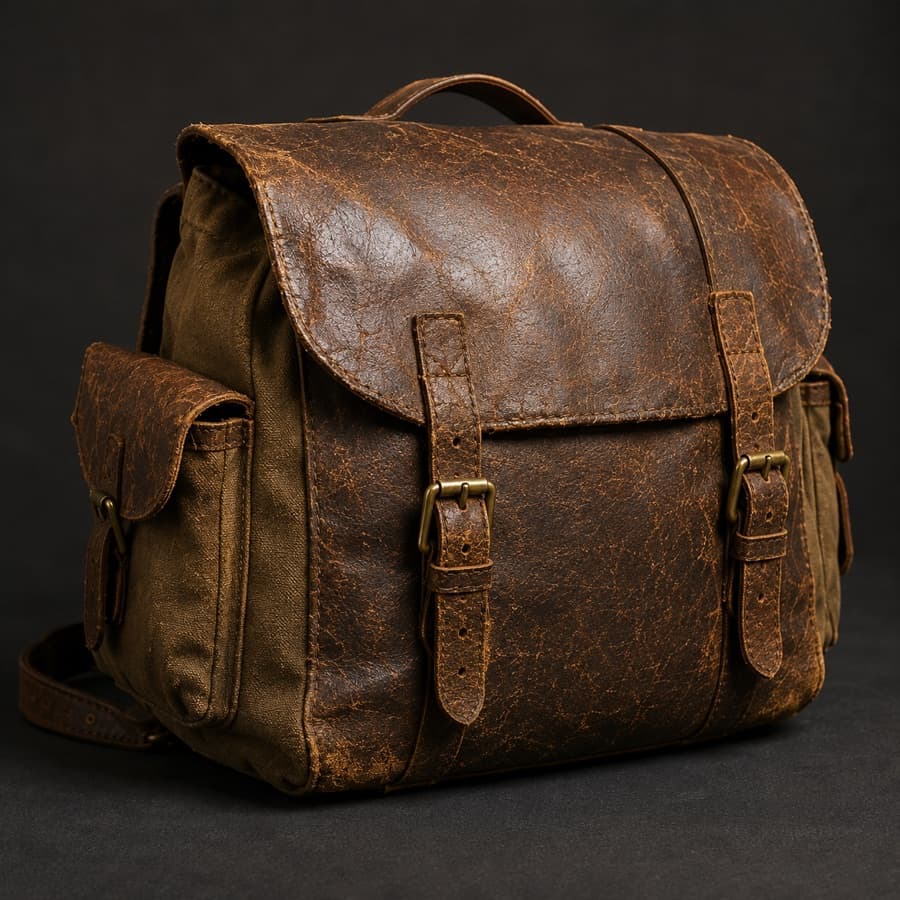
Field Pack, c. 1926
Waxed canvas and leather. Carried by explorer Thomas Alden on four seasons of survey work in the Cascade Mountains. Gift of the Alden family.
28
words · the whole exhibit
Stop 01
Museums, zoos, parks, campuses, hospitals, main streets — every place flying past runs on the same Footnote. The only thing that changes is what you have to tell.
Start your free 30-day trialStop 01
Everything your curators researched — the history, the photographs, the context that never fit on the card.
Beyond the Backpack: Following an Explorer into the Cascades
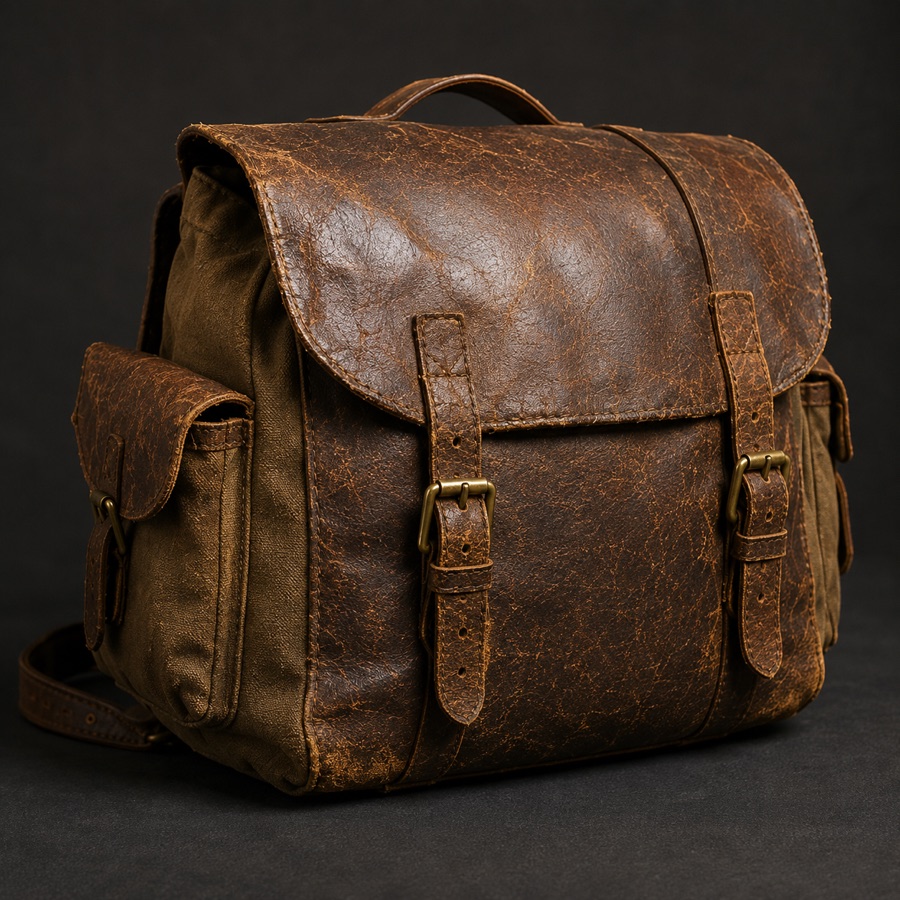
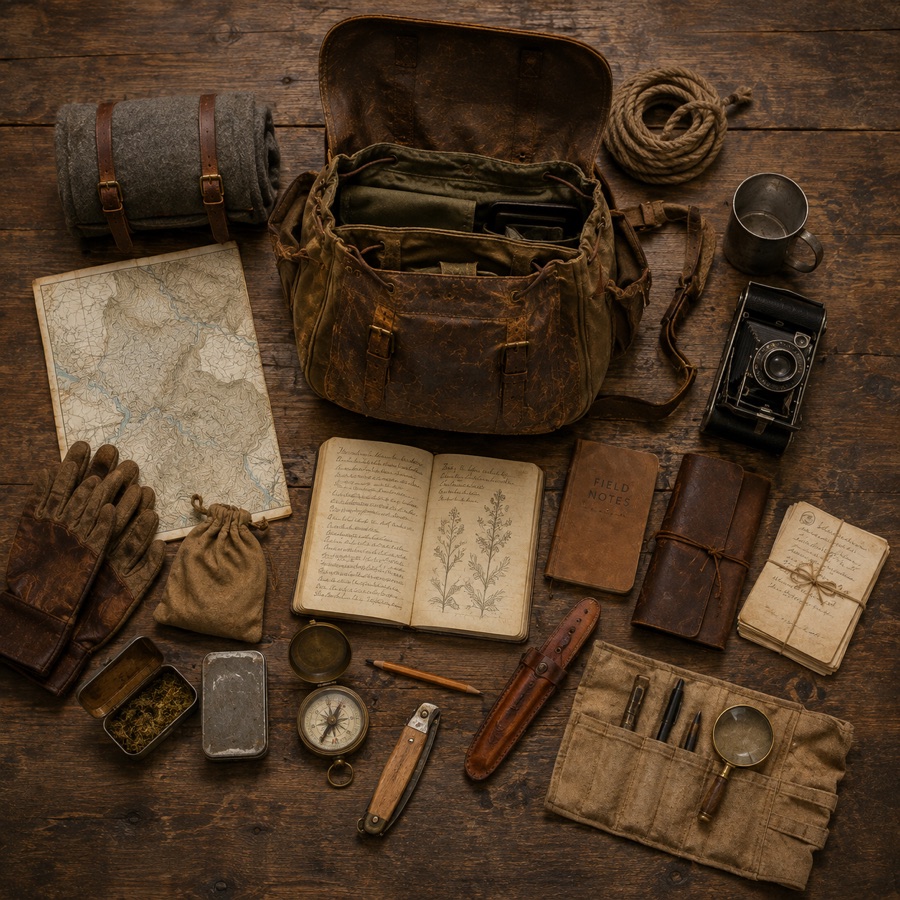
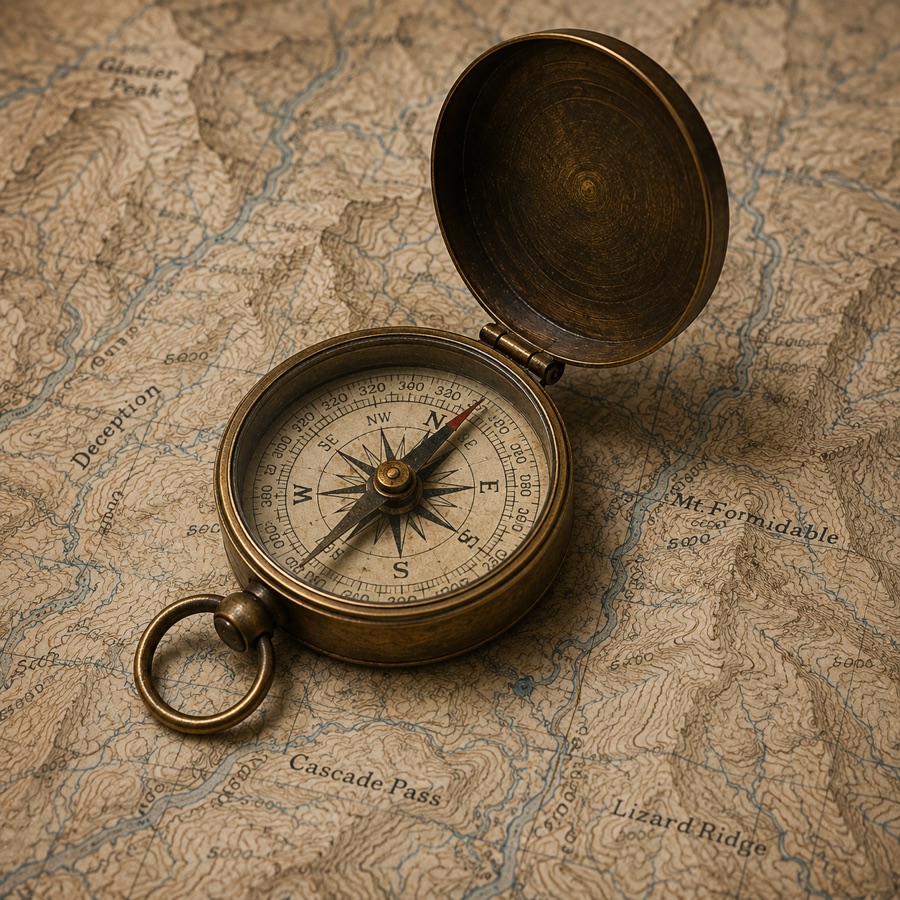
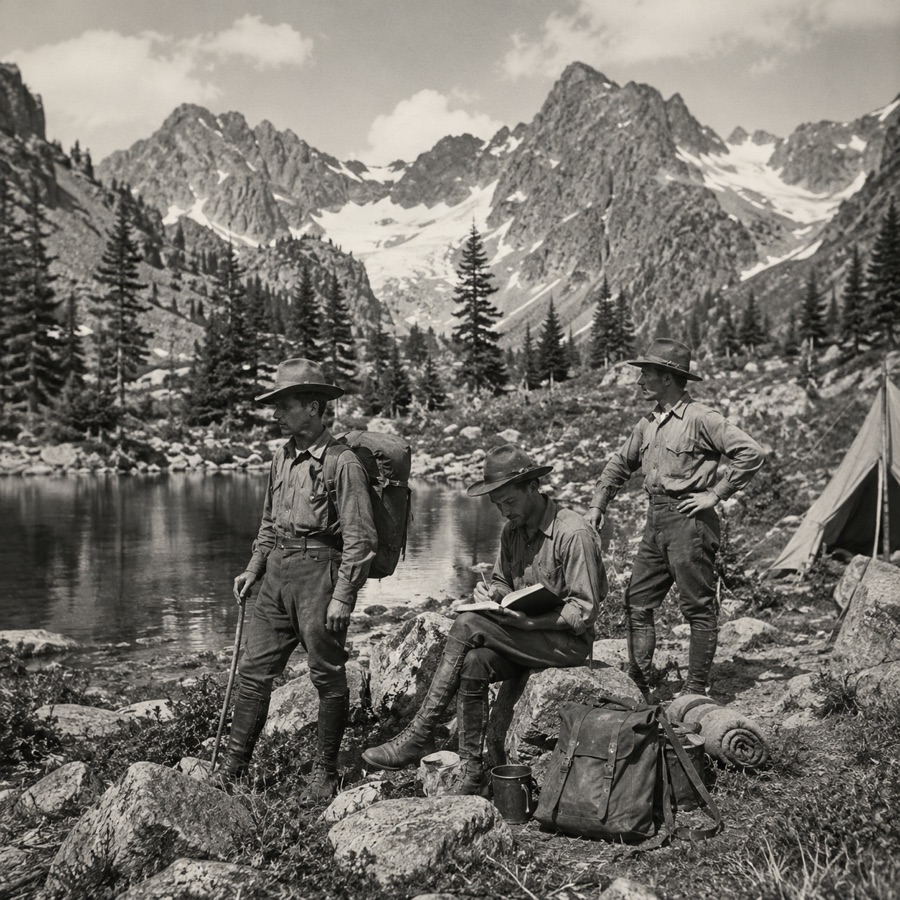
Explorer Thomas Alden's field pack shortly after arriving at the museum. Decades of use are visible in the wor…
At first glance, this weathered leather backpack appears to be little more than an old piece of camping equipment. The leather is cracked from decades of exposure, the canvas has faded, and the brass buckles bear the scratches and dents of years spent in the wilderness. To many visitors, it might seem like just another antique travel bag.
But this backpack carried far more than maps and supplies.
Between 1927 and 1931, naturalist and explorer Thomas Alden relied on this field pack during a series of expeditions through Washington’s Cascade Mountains. Long before satellite imagery, GPS devices, lightweight equipment, or even reliable road access into many alpine regions, explorers like Alden ventured into remote wilderness carrying nearly everything they would need on their backs. Every item had to earn its place. Every ounce mattered.
This pack became Alden’s office, laboratory, pantry, toolbox, and lifeline.
Over four years it traveled hundreds of miles across rugged mountain terrain. It crossed icy rivers, climbed rocky ridgelines, endured days of relentless rain, and spent countless nights beside campfires under the stars. The wear visible today is not accidental — it is the physical record of years spent in places few people had ever documented.
Today it is difficult to imagine exploring without digital maps, satellite communication, weather forecasts, or lightweight technical gear. In the late 1920s, however, exploration depended on preparation, observation, and experience.
Navigation relied on paper maps, compass bearings, recognizable landmarks, and handwritten notes. If weather obscured mountain peaks or a trail disappeared beneath snow, an explorer had to rely on judgment developed through years of experience.
Photographs required careful planning because each exposure mattered. Notes had to be written by hand, often while sitting on damp logs or beneath improvised shelters during storms. Plant specimens had to be carefully pressed and protected so they could survive the journey home.
This backpack held the tools that made all of that possible.
Although the contents varied from trip to trip, Alden’s journals describe many of the items that routinely traveled inside the pack.
Every object represented a compromise. Carrying additional scientific equipment often meant reducing food or leaving behind comforts that modern hikers would consider essential.
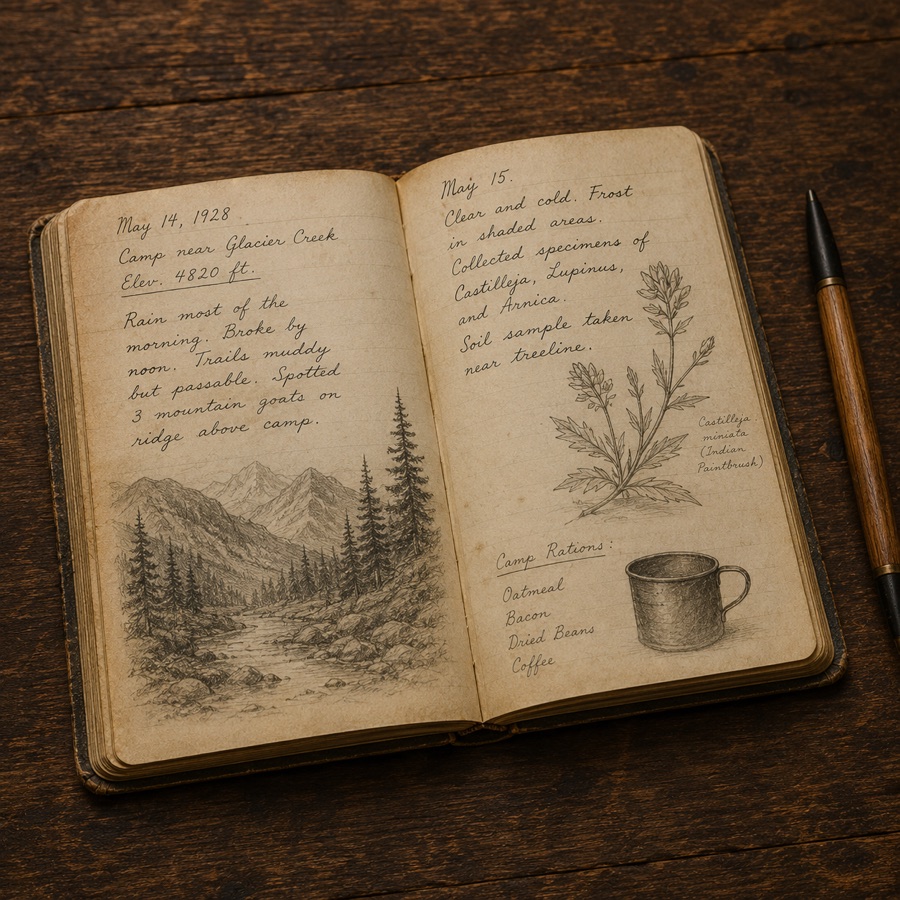
Alden’s journals reveal something unexpected. They are not simply scientific records. Interwoven with lists of plants and weather measurements are moments of exhaustion, excitement, uncertainty, and wonder.
One entry describes spending nearly an entire day trapped inside a small canvas shelter while heavy rain transformed nearby trails into streams. Another recounts unexpectedly encountering a family of mountain goats high above tree line, watching them disappear effortlessly across steep cliffs that humans could barely navigate. There are sketches of alpine flowers drawn beside quick reminders to repair worn boot laces. Scientific observations sit alongside notes about particularly beautiful sunsets, difficult river crossings, and the comforting smell of coffee after days of cold rain.
The journals remind us that exploration is as much a human story as it is a scientific one.
Museum conservators often say that objects tell stories through their condition. Look closely at this backpack. The leather shoulder straps have been repaired multiple times. Rather than replacing damaged pieces, Alden stitched reinforcement patches using whatever materials were available during the expedition. The front flap no longer closes perfectly because years of carrying heavy equipment stretched the leather beyond its original shape. Small scratches across the brass buckles were likely caused by contact with rock while climbing narrow mountain passes. The discoloration around the base of the bag suggests repeated exposure to wet ground, snow, and mud. These imperfections are not flaws. They are evidence. Unlike a newly manufactured replica, this backpack carries the marks of real journeys made by a real person facing unpredictable conditions.
When Alden explored the Cascades, many of the regions he visited had been photographed only rarely. Road systems were limited. Trails were incomplete. Entire valleys remained largely undocumented outside of Indigenous knowledge and a handful of government surveys. His photographs and journals created lasting records of ecosystems at a moment in time. Scientists today often compare historical records like these with modern observations to better understand how forests, glaciers, wildlife populations, and alpine environments have changed over the last century. An old backpack may seem ordinary. Yet the information carried inside it continues to contribute to research nearly one hundred years later.
Following Alden’s death, the backpack remained with his family for decades. Inside were folded maps, pressed flowers, handwritten journals, and small personal keepsakes collected throughout his travels. Recognizing the historical significance of the collection, his family donated the backpack and its contents to the museum in 1978. Before the artifact could be displayed, conservators spent months carefully cleaning and stabilizing the leather. Rather than restoring it to look new, they chose to preserve every repair, scratch, stain, and patch that reflected its history. Today the backpack rests in a climate-controlled exhibit designed to protect it from changes in temperature, humidity, and light. Although it no longer travels through mountain passes, it continues another kind of journey — helping visitors understand the people whose curiosity expanded our knowledge of the natural world.
History is often associated with famous inventions, celebrated leaders, or monumental events. But many of the most meaningful stories survive because of ordinary objects.
Together they become evidence of determination, curiosity, resilience, and discovery.
This field pack reminds us that exploration is rarely glamorous. It is built from thousands of small decisions, careful observations, unexpected setbacks, and the willingness to keep moving forward even when the destination remains uncertain.
The next time you look at an old object — whether in a museum, a company archive, a historic building, or your own family home — consider the stories it might still hold.
Sometimes the most extraordinary journeys begin with something as ordinary as a backpack waiting quietly behind museum glass.
Stop 01
Everything your curators researched — the history, the photographs, the context that never fit on the card.
1,198
words · on this one object
Storage is unlimited. Add as much as you like, to every object you have.
Meanwhile, at your desk
Visitor analytics show which exhibits hold attention and which get walked past — evidence for the next exhibition plan and the next grant application. And the CMS behind it all is simple enough that a two-person team runs it between school groups.
This week at your museum
Illustration — demonstration data
The screening room
Full product demos, cut for your kind of space. Watch here, or book a live one and we’ll drive.
Footnote at the museum
The full walkthrough — from printing a QR code to a visitor's first scan.
Beyond the museum
Admission
No feature gates, no upsell maze — every Footnote plan ships the full experience you just scrolled through. Plans differ only by collection size. All start with a free 30-day trial.
Pop-up museums & single exhibitions
50objects
$175 / month
Every feature included
Small museums
500objects
$500 / month
Every feature included
Medium museums
1,000objects
$1,000 / month
Every feature included
Included in every plan
Plus exhibit-development discounts and tiered support on every plan. Full comparison and common questions.
Custom exhibit development and premium support for larger institutions.